About Mafia Island — Marine Life, Culture & Conservation
Mafia Island is an archipelago off Tanzania’s mainland (Pwani Region). It is best known for the Mafia Island Marine Park, established to protect coral reefs and fisheries. The island features rich Swahili history (Chole Island ruins), low-key tourism, and outstanding dive sites. While the whale shark season peaks between October and March, sightings occur outside that window too. Responsible tourism is essential — visitors must follow marine park rules and local guidance.
History in the Heart of the Indian Ocean
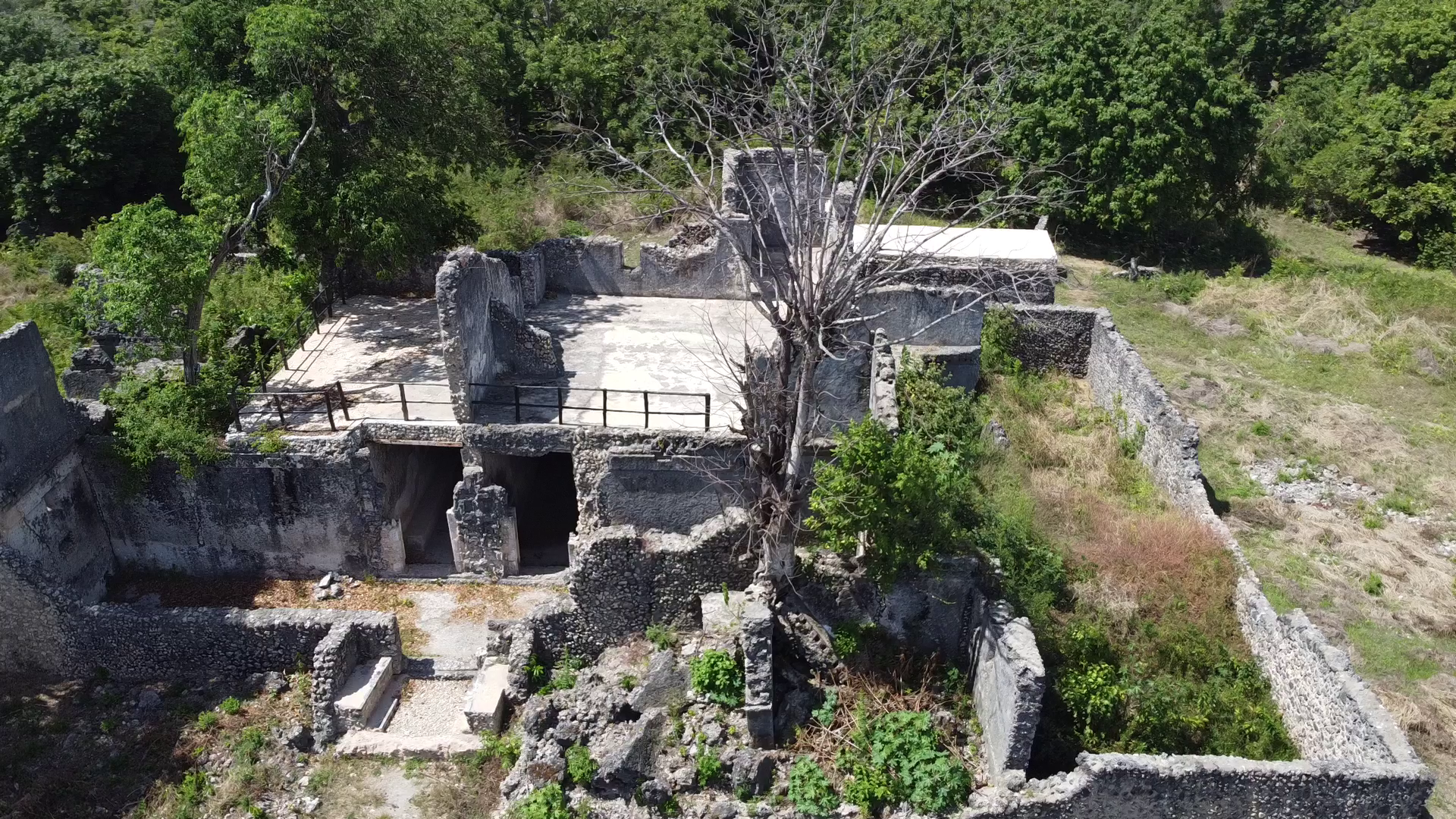
Mafia Island has been part of the Indian Ocean story for over a thousand years. Lying off the coast of Tanzania near the Rufiji Delta, it sat on the old Swahili trade routes linking East Africa with Arabia, Persia and India. Ancient towns like Chole and Kua (on Juani Island) grew rich from trade in gold, ivory and spices, leaving behind coral-stone ruins, mosques and stories that are still felt today.
The name “Mafia” is often linked to the Swahili phrase mahali pa afya – “a healthy place to live” – and to an Arabic word meaning “archipelago.” Both fit perfectly: a small, fertile island group with long-settled villages and a strong Swahili culture.
Over the centuries, Mafia fell under different powers – Kilwa’s Swahili sultans, the Sultan of Zanzibar, German East Africa and then the British – before becoming part of independent Tanzania in 1961. During World War I it even served as a strategic base for the British Navy in their campaign against the German ship Königsberg hiding in the nearby Rufiji Delta.
A new chapter began in 1995 with the creation of Mafia Island Marine Park, Tanzania’s first marine park. This protection helped preserve Mafia’s reefs, mangroves, seagrass beds and traditional fishing grounds, keeping the island quiet, natural and low on mass tourism.
Today, Mafia Island is a peaceful blend of history, village life and wild nature. You’ll find dhows under sail, fruit and spice markets in Kilindoni, coral ruins wrapped in vines, and some of the richest marine life on the East African coast – all shared by welcoming communities who have called this island home for generations.
Utende – Gateway to Mafia Island Marine Park
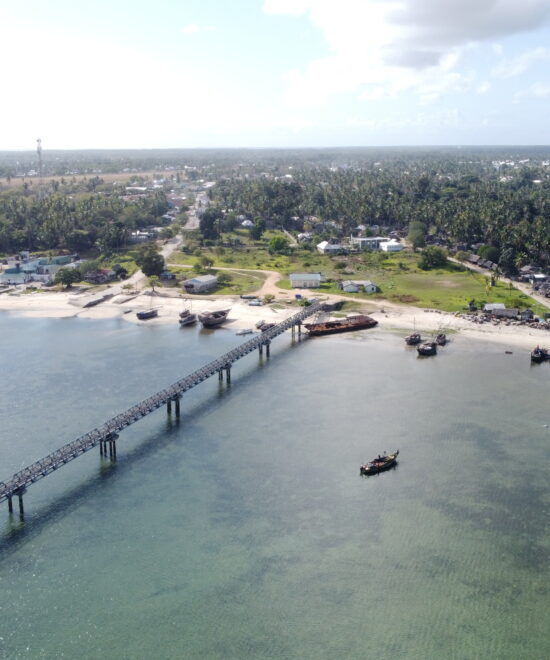
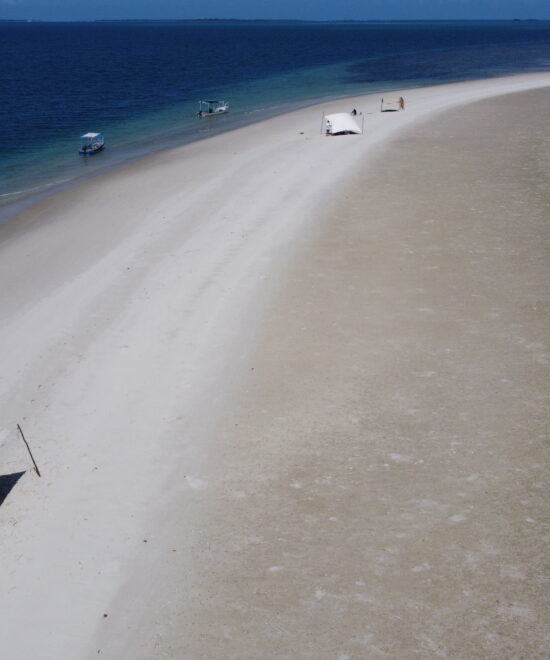
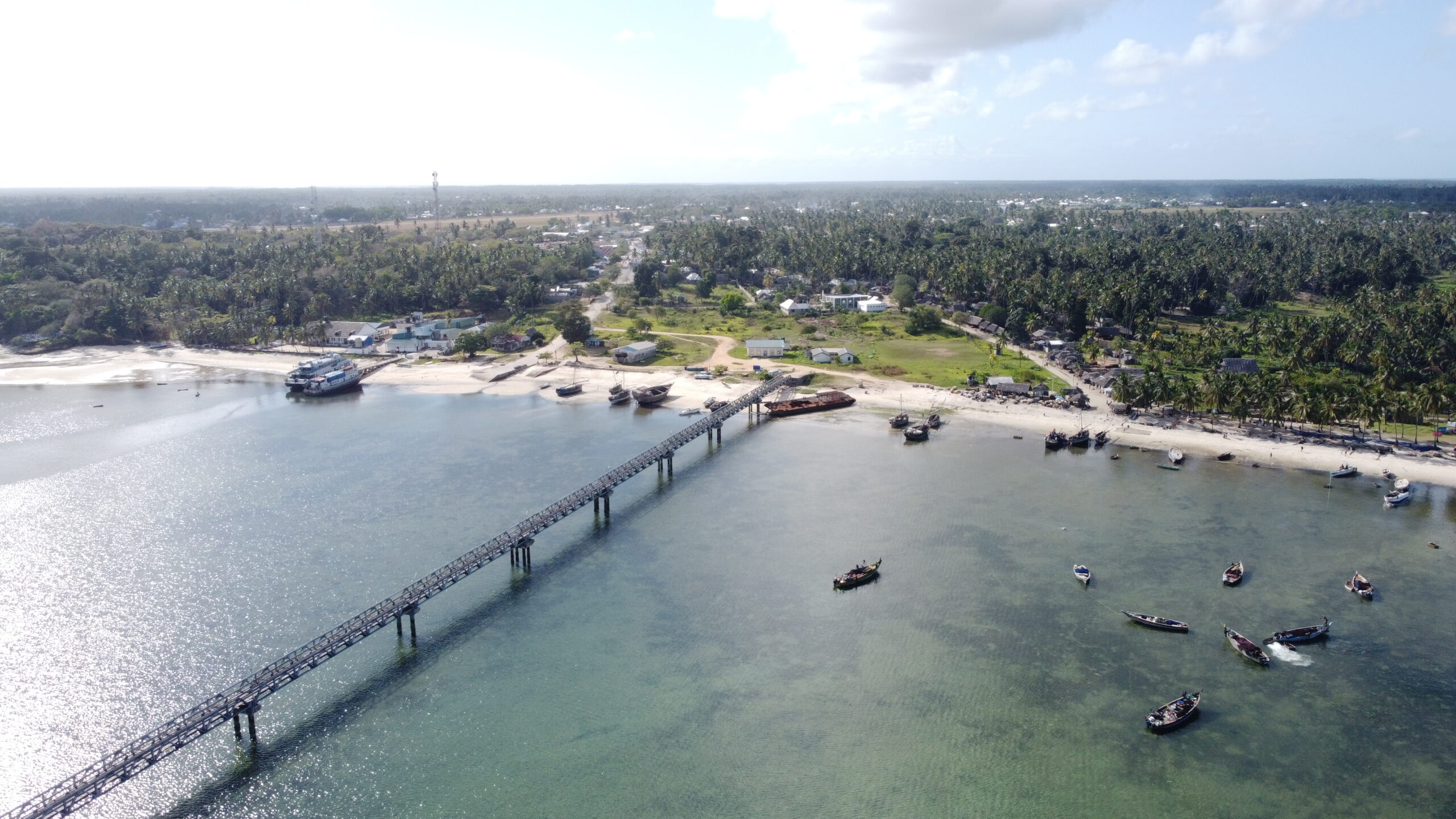
Utende is a small coastal village on the south-east of Mafia Island and the main gateway into Mafia Island Marine Park. From here, boats head out to coral reefs, sandbanks and nearby islands for snorkeling, diving and sandbank trips. The village sits right on the water’s edge with simple local life, a handful of lodges and dive centers, and easy access to whale shark trips (seasonal), turtle nesting sites and vibrant marine life inside the protected park. It’s the best base if you want to stay close to the beach and spend your days out on the ocean.
Chole Island
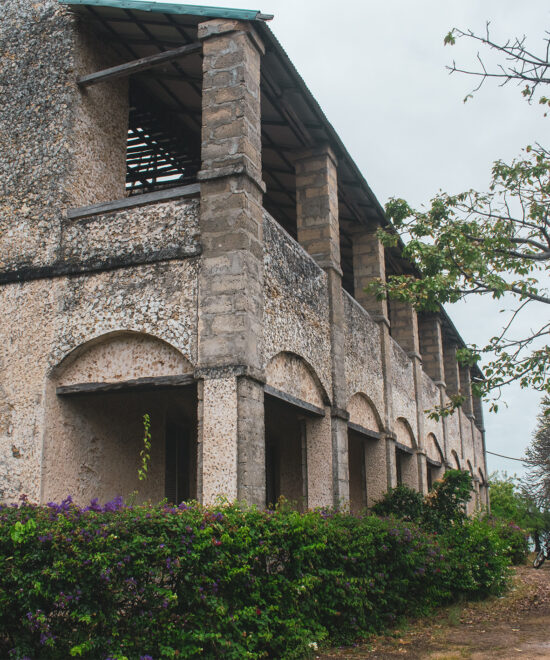
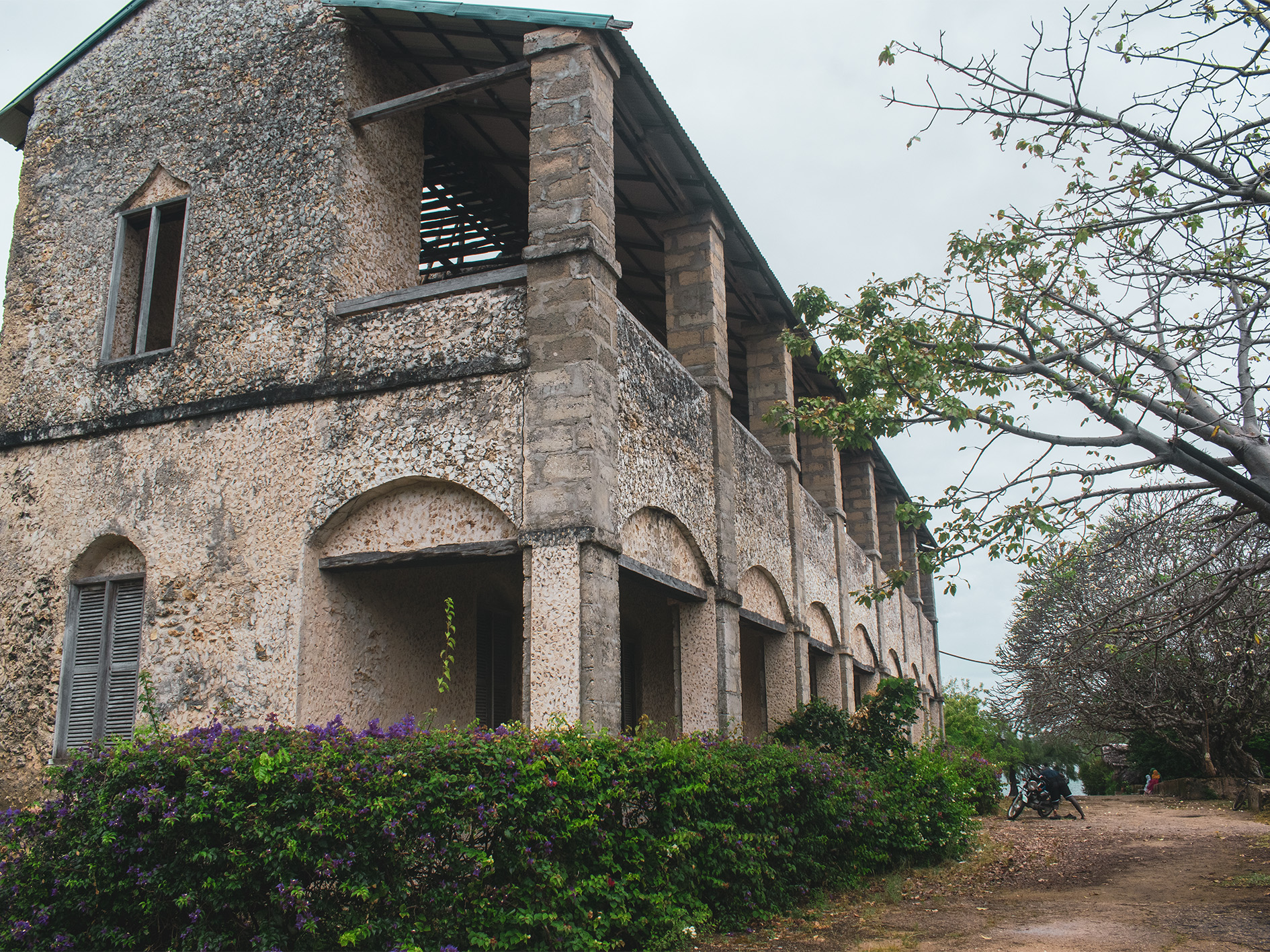
Just a short boat ride from Mafia, Chole Island is a tiny, car-free island wrapped in mangroves and Swahili history. Wander through ancient ruins and crumbling coral-stone buildings, visit the traditional boatyard, and watch giant fruit bats hanging in the trees. Life here moves slowly – fishing dhows, friendly villagers, and simple island living – making Chole a beautiful place to experience authentic culture, lush nature, and the quieter side of Mafia Island Marine Park.
Juani Island – Ruins, Blue Lagoon & Wild Nature
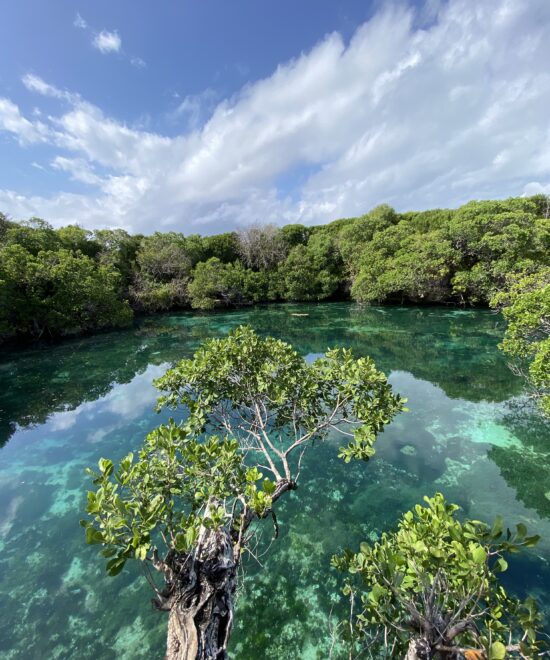
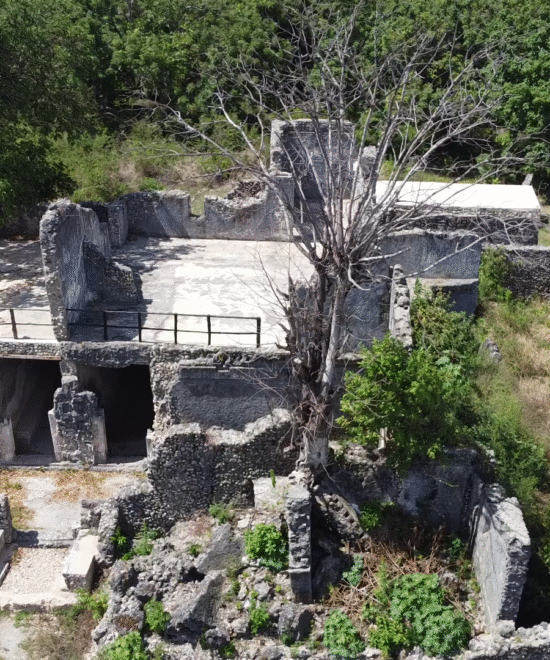
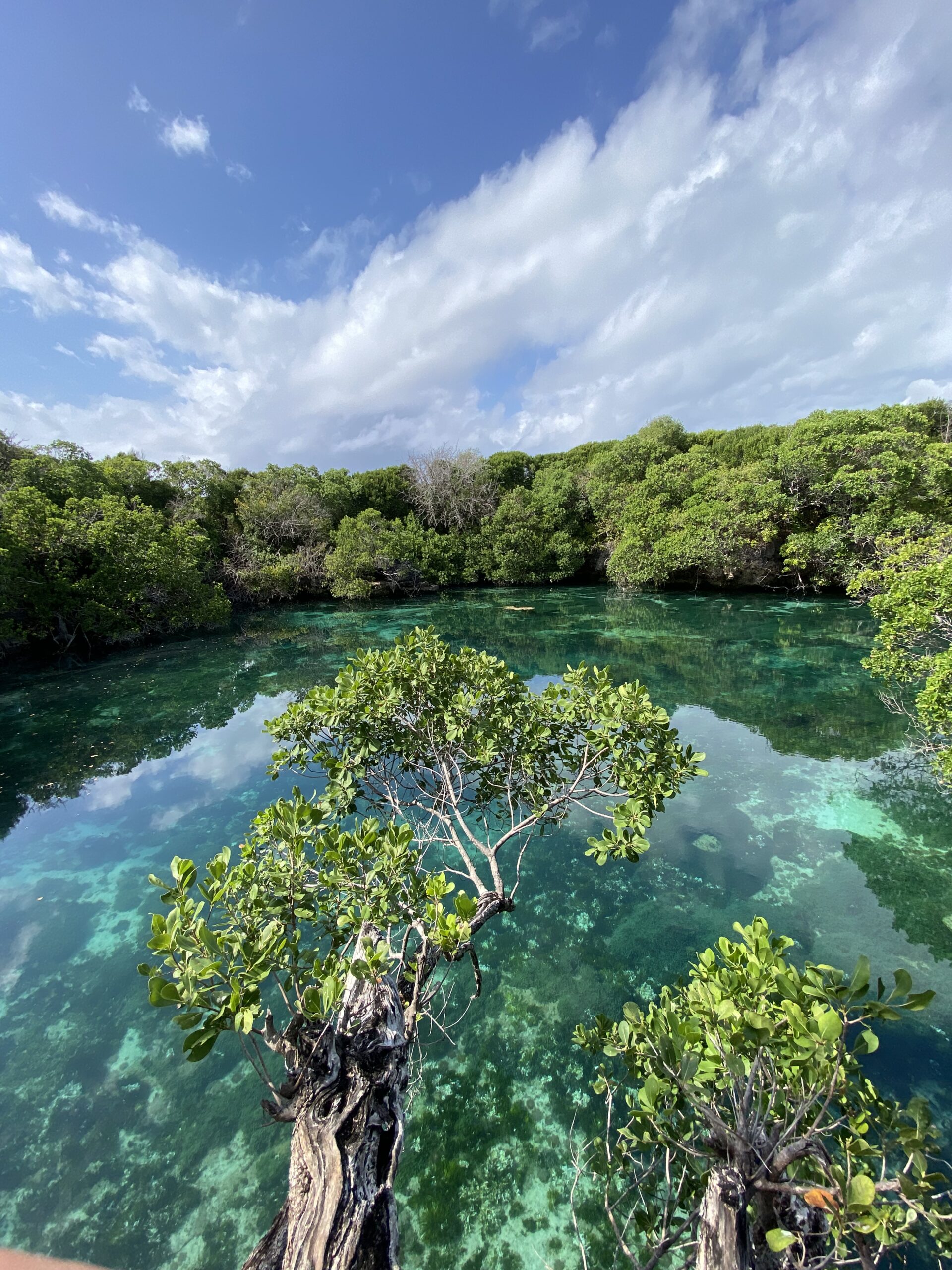
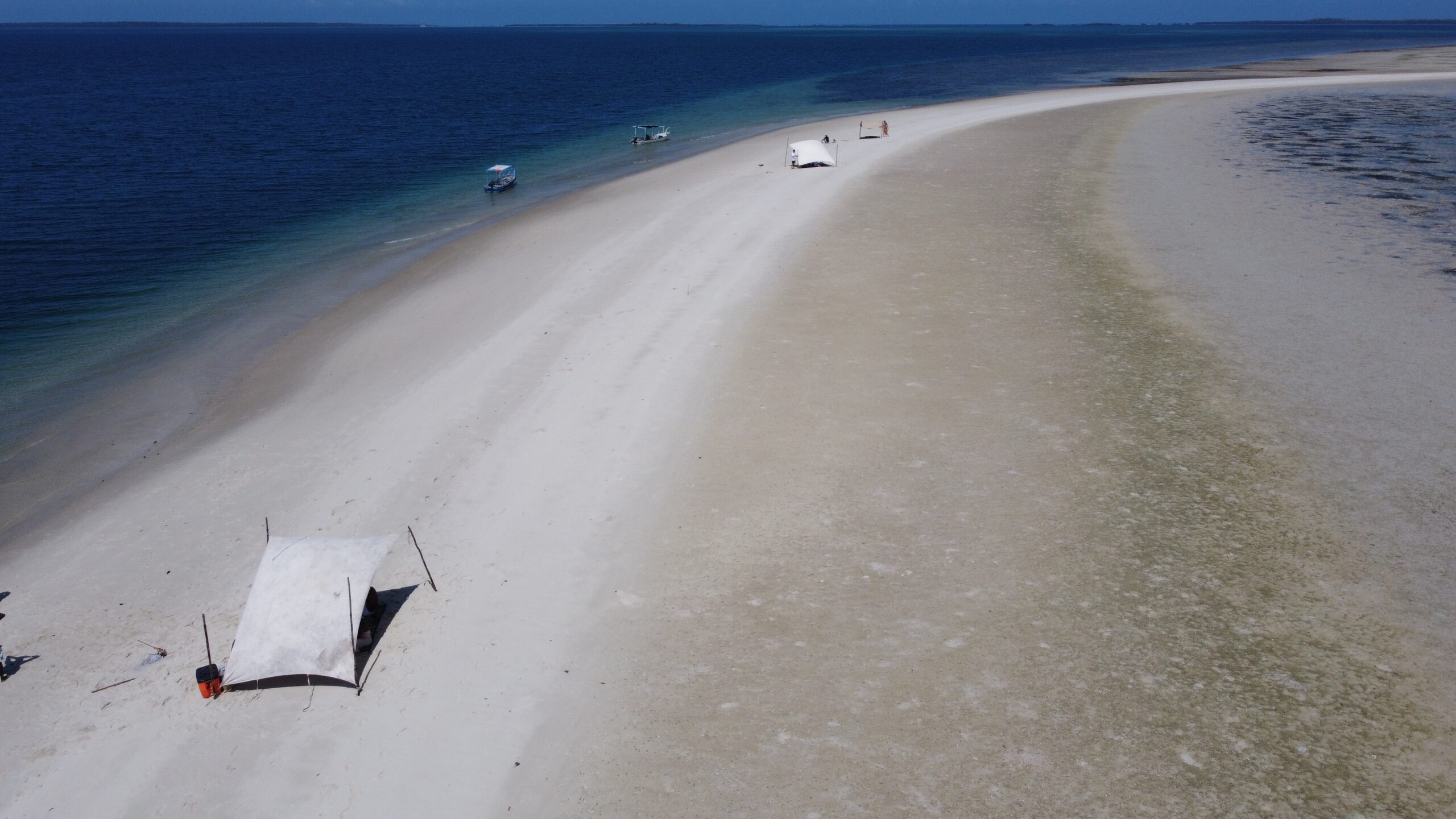
Juani Island lies just southeast of Mafia, inside Mafia Island Marine Park. The island is known for the mysterious Kua Ruins – the remains of a medieval Swahili town – hidden among trees and vines, as well as mangrove channels, sandbanks and a turquoise “blue lagoon” that appears with the tides. Boat trips to Juani often combine history, snorkeling and exploring remote beaches, giving you a mix of culture and wild, unspoiled nature in one day out.